 Pescara Hub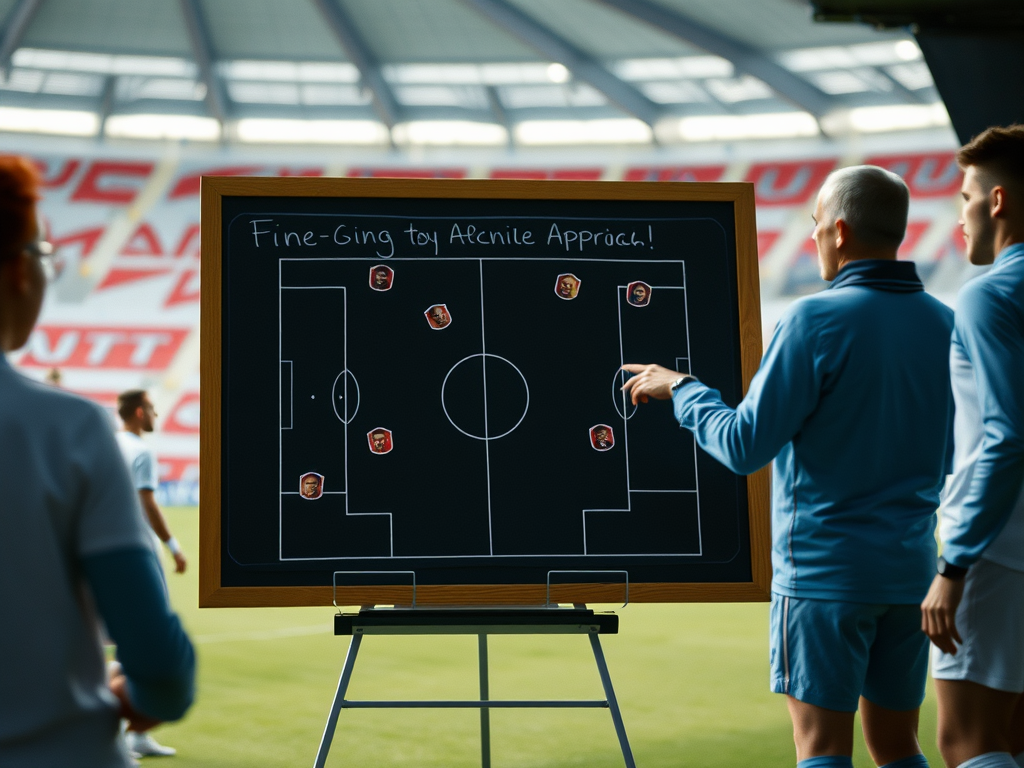
Pescara, affectionately known as Il Delfino, has shown flashes of brilliance this season, yet inconsistency has hindered their quest for promotion. Recent matches have highlighted both strengths and weaknesses in their tactical setup, suggesting that a few strategic tweaks could be pivotal in stabilizing their form.
Current Tactical Approach
Under the guidance of their current coach, Pescara has predominantly adopted a 4-3-3 formation that allows for fluid attacking play and effective width. The front three, spearheaded by the talented L. Insigne, has frequently been a nuisance to opposing defenses, utilizing their pace and technical ability to create chances. However, the team has struggled to maintain balance, particularly when transitioning from attack to defense. The midfield, while industrious, often appears disjointed, leaving the backline exposed during counterattacks.
Suggested Adjustments
1. Midfield Reconfiguration: One of the most pressing issues has been the midfield's inability to adequately shield the defense. Transitioning to a 4-2-3-1 formation could provide more stability. By deploying two holding midfielders, Pescara can better protect the backline and control the tempo of the game. This would allow for one of the midfielders, possibly G. Acampora, to push forward and support the attack, ensuring that there is always a link between defense and attack.
2. Wider Play: While Pescara's frontline thrives on pace, the team can benefit from stretching the opposition wider. By instructing the wingers to maintain wider positions, they can draw defenders out of shape, creating gaps for overlapping full-backs to exploit. This tactic could not only enhance crossing opportunities but also create space for L. Insigne to cut inside and unleash his striking prowess.
3. Defensive Cohesion: Another area requiring attention is the communication within the defensive unit. Implementing a more cohesive pressing strategy can alleviate the pressure on the back four. Instead of a high press, which has often left them vulnerable, a mid-block system can be employed, allowing players to conserve energy while still being proactive in regaining possession. This would enable Pescara to dictate the pace of the game while reducing the risk of defensive errors.
4. Utilizing Depth: With a squad rich in talent, particularly in attacking roles, rotating players effectively can keep the squad fresh and competitive. Introducing younger players or those who have been on the fringes can inject much-needed energy and creativity into the side, especially in the latter stages of matches when fatigue becomes a factor.
Conclusion
Pescara's potential remains high, yet realizing this potential hinges on the team's ability to adapt tactically. By refining their midfield structure, enhancing width in attack, improving defensive cohesion, and utilizing squad depth, Pescara can not only stabilize their current form but also mount a serious challenge for promotion. The upcoming fixtures will be crucial in determining whether these adjustments can be implemented effectively, and if Il Delfino can reclaim their place among Italy's elite.